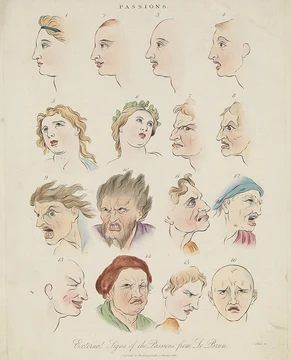
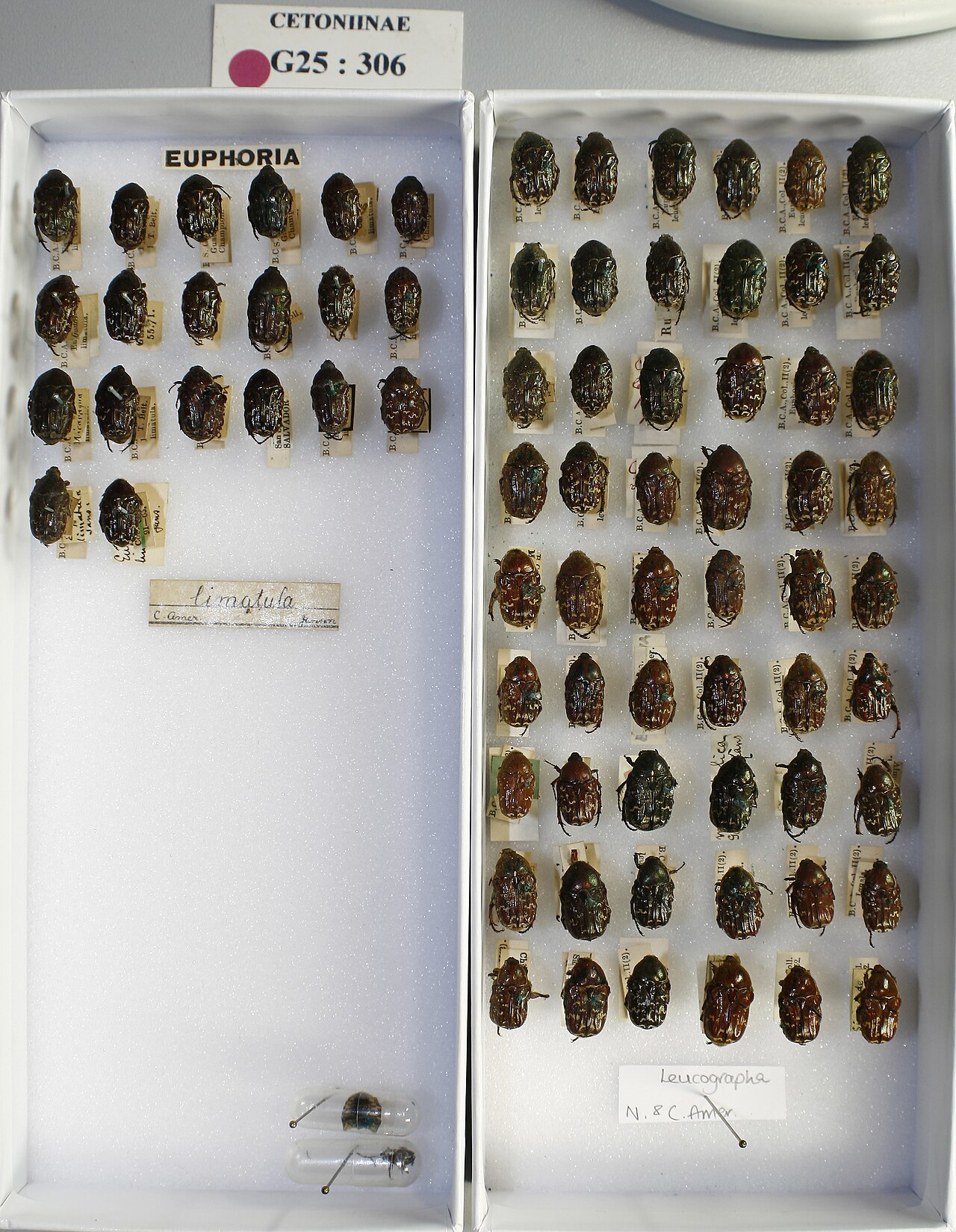
Euphoria
A state of intense pleasure and well-being.

Sindhu Haridas · CC BY-SA 4.0
Euphoria is the experience of pleasure or excitement and intense feelings of well-being and happiness. It can be induced by natural rewards, social activities, certain drugs, and is also a symptom of neurological or neuropsychiatric disorders such as mania. The word derives from Ancient Greek, meaning 'well bearing,' and has been described in various historical contexts from the 18th century onward.
- field
- Psychology, Neuropsychology, Psychiatry
- known_for
- State of intense pleasure and well-being; linked to brain reward system and hedonic hotspots
- related_disorders
- Mania, bipolar disorder, certain neurological conditions
- common_inducers
- Aerobic exercise, music, dancing, sexual activity, psychoactive drugs
Lore & Background
The word 'euphoria' is derived from the Ancient Greek terms εὐφορία: εὖ eu meaning 'well' and φέρω pherō meaning 'to bear.' It is semantically opposite to dysphoria. A 1706 English dictionary defined euphoria as 'the well bearing of the Operation of a Medicine, i.e., when the patient finds himself eas'd or reliev'd by it.' During the 1860s, the English physician Thomas Laycock described euphoria as the feeling of bodily well-being and hopefulness, noting its misplaced presentation in the final stage of some terminal illnesses and attributing such euphoria to neurological dysfunction. Sigmund Freud's 1884 monograph Über Coca described his own consumption of cocaine producing 'the normal euphoria of a healthy person,' while about 1890 the German neuropsychiatrist Carl Wernicke lectured about the 'abnormal euphoria' in patients with mania.
A 1903 article in The Boston Daily Globe referred to euphoria as 'pleasant excitement' and 'the sense of ease and well-being.' In 1920 Popular Science magazine described euphoria as 'a high sounding name' meaning 'feeling fit': normally making life worth living, motivating drug use, and ill formed in certain mental illnesses. Robert S. Woodworth's 1921 textbook Psychology: A study of mental life, describes euphoria as an organic state which is the opposite of fatigue, and 'means about the same as feeling good.' In 1940, The Journal of Psychology defined euphoria as a 'state of general well being ... and pleasantly toned feeling.' A decade later, American addiction researcher Harris Isbell redefined euphoria as behavioral changes and objective signs typical of morphine. However, in 1957 British pharmacologist D. A. Cahal did not regard opioid euphoria as medically undesirable but an effect which 'enhance[s] the value of a major analgesic.' The 1977 edition of A Concise Encyclopaedia of Psychiatry called euphoria 'a mood of contentment and well-being,' with pathologic associations when used in a psychiatric context. As a sign of cerebral disease, it was described as bland and out of context, representing an inability to experience negative emotion.
Reader's Guide
Euphoria is significant as a fundamental human experience that bridges normal well-being and pathological states. Its study has informed understanding of the brain's reward system, particularly the concept of hedonic hotspots—functionally interrelated neural substrates that generate pleasure. The simultaneous activation of all hedonic hotspots within the reward system is believed necessary for intense euphoria. Historically, euphoria has been variously defined: as a sign of medicinal efficacy, a symptom of neurological dysfunction, a normal feeling of fitness, and a pathological mood in psychiatric contexts. Its role in drug addiction is critical, as many euphoriants are addictive due to their reinforcing properties. The neuropsychology of euphoria has been illuminated by studies on music-induced pleasure, showing that dopamine neurotransmission is a necessary condition for hedonic reactions to music. Different classes of drugs—stimulants, depressants, opioids, cannabinoids, inhalants, psychedelics, and glucocorticoids—can induce euphoria through distinct mechanisms. The legacy of euphoria research lies in its contributions to understanding motivation, addiction, mood disorders, and the neural basis of pleasure.
Did You Know?
- The word 'euphoria' is derived from Ancient Greek terms meaning 'well' and 'to bear,' and is semantically opposite to dysphoria.
- Approximately 5% of the population experiences 'musical anhedonia,' where individuals do not experience pleasure from listening to emotionally arousing music despite perceiving the intended emotion.
- Hedonic hotspots are functionally linked; activation of one hotspot results in the recruitment of others, and inhibition of one blunts the effects of activating another.
- Certain gases like nitrous oxide (N2O, aka 'laughing gas') can induce euphoria when inhaled.
The Neural Architecture of Pleasure
Euphoria does not arise from a single switch being flipped in the brain. Rather, it emerges from a network of so-called hedonic hotspots—neural structures that generate feelings of pleasure—that are functionally interlinked in a way that makes them operate almost as a single unit. When one of these hotspots is activated, the stimulation cascades to recruit the others. Conversely, suppressing even one hotspot dampens the effect of activating another, effectively blunting the overall pleasure response. This interdependence suggests that no single region can produce the full euphoric experience on its own. Researchers believe that the simultaneous activation of every hedonic hotspot within the brain's reward system is a prerequisite for the intense, all-encompassing sensation we recognize as euphoria. In practical terms, this means that the profound well-being felt during a great workout, a passionate dance, or a moment of romantic connection likely depends on a coordinated, whole-network firing rather than the isolated activity of any one pleasure center. The architecture is elegant in its redundancy: each hotspot both contributes to and amplifies the others, creating a feedback loop that either builds toward peak euphoria or, when disrupted, leaves the experience muted and incomplete.
A Word That Evolved
The term euphoria traces to Ancient Greek, built from eu ('well') and pherō ('to bear'), essentially the state of carrying oneself well. Its semantic opposite, dysphoria, names the inverse experience. A 1706 English dictionary limited the term to a patient's relief after taking medicine. By the 1860s, English physician Thomas Laycock broadened the concept to bodily well-being and hopefulness, while noting its pathological appearance in the final stages of terminal illness, attributing such misplaced cheer to neurological dysfunction. Sigmund Freud, in his 1884 monograph on cocaine, described the drug as producing the normal euphoria of a healthy person; around 1890, German neuropsychiatrist Carl Wernicke lectured on the abnormal euphoria of manic patients. Definitions continued to evolve: Robert S. Woodworth called it the organic opposite of fatigue in 1921, and addiction researcher Harris Isbell later reframed it as observable behavioral changes typical of morphine use. By the 1970s, psychiatry manuals described it as a mood of contentment that, when pathologic, signaled an inability to feel negative emotion. In the twenty-first century, euphoria is generally understood as a state of great happiness and excitement—normal in one context, dangerously misplaced when tied to drugs, mania, or brain injury.
When Music Becomes the Brain's Own Euphoric
Few natural experiences tap the brain's pleasure circuitry as directly as emotionally arousing music. Neuroimaging research has shown that the reward system plays a central mediating role in music-induced pleasure, with particularly strong increases in dopamine neurotransmission along the mesolimbic and nigrostriatal pathways projecting to the striatum. Whether the euphoria arrives through dancing, making music, or simply listening, the underlying chemistry converges on these dopaminergic routes. Yet the experience is not universal: roughly five percent of the population suffers from musical anhedonia, a condition in which individuals can perceive the intended emotion in a musical passage but feel no corresponding pleasure. A January 2019 clinical study probed this mechanism by administering a dopamine precursor (levodopa), a dopamine antagonist (risperidone), and a placebo to participants while measuring their reward responses to music, including the intensity of musical chills tracked through electrodermal activity and subjective ratings. The findings demonstrated that manipulating dopamine neurotransmission bidirectionally regulated hedonic impact—boosting it with the precursor and blunting it with the antagonist. The researchers concluded that elevated dopamine signaling is a sine qua non condition for pleasurable hedonic reactions to music in humans, cementing the molecule's role as the chemical key to musical euphoria.
The Double-Edged Chemistry of Euphoriants
A euphoriant is any psychoactive substance that reliably induces the state of intense well-being and excitement characteristic of euphoria, and most of these compounds share a common trait: they are addictive. Their reinforcing properties stem directly from their ability to activate the brain's reward system, and this euphoric hit at least partially motivates continued recreational use. Among the most potent euphoriants are dopaminergic stimulants—amphetamine, methamphetamine, cocaine, and methylphenidate—which produce a powerful surge of exhilaration. Nicotine, a parasympathetic stimulant, acts as a milder euphoriant in some individuals, while xanthines such as caffeine and theobromine are sometimes classified as mild euphoriants as well. In certain traditions, chewing areca nut seeds from the Areca catechu palm combined with slaked lime produces a stimulant effect carrying euphoric qualities. What unites all of these substances is their capacity to engage the same hedonic hotspots that natural rewards—exercise, music, romantic love—activate, but through a pharmacological shortcut rather than the body's own effort. This is precisely why the boundary between a pleasurable experience and a compulsive one remains so difficult to draw: the reinforcing loop the reward system creates can pull a user from occasional enjoyment toward dependence.
Gallery





Frequently Asked Questions
What is Euphoria?
Euphoria is a powerful emotional state marked by intense pleasure, excitement, and a profound sense of well-being. It sits at the peak of the positive emotional spectrum, often described as a heightened form of happiness that goes beyond ordinary joy.
What triggers Euphoria?
Euphoria can be sparked by a wide range of experiences, including aerobic exercise, dancing, music, sexual activity, and close social bonding. Psychoactive substances are also known to produce it, though this carries significant health risks.
What part of the brain is responsible for Euphoria?
Euphoria is closely tied to the brain's reward circuitry, particularly structures sometimes called hedonic hotspots that process and amplify feelings of pleasure. These neural pathways work together to generate the intense well-being that defines the experience.
Can Euphoria be a medical symptom?
Yes—unusual or persistent euphoria can appear as a clinical sign in conditions like mania, bipolar disorder, and certain neurological or neuropsychiatric disorders. In those contexts, it is typically not a natural emotional response but a marker of an underlying condition.
Where does the word 'Euphoria' come from?
The term traces back to Ancient Greek, where it carried the sense of 'well bearing' or a favorable disposition. Its use as a descriptive word for an emotional state became more established from the 18th century onward in medical and philosophical writing.
More in Emotions 1-21
Spotted an error? Know more?
This is a living reference — every entry is fact-audited, and reader corrections feed straight into our audit queue. Suggest an edit · See this site's audit record